其他物資
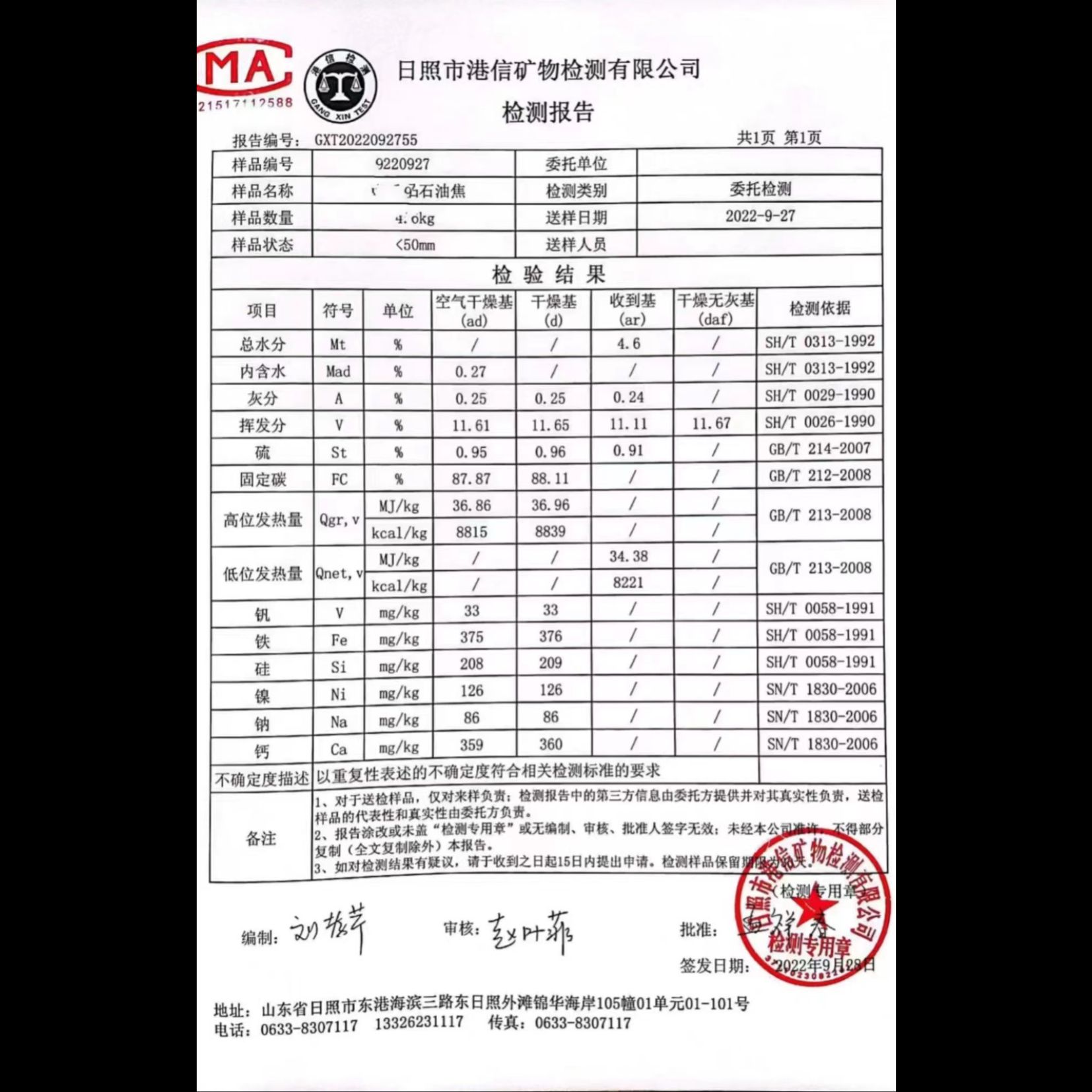
Rizhao Petroleum Coke
Rizhao petroleum coke refers to a type of petroleum coke produced in the Rizhao region of Shandong Province, China. Petroleum coke is a solid fuel extracted from petroleum during the refining process and is primarily used in the metallurgical, chemical, and casting industries. Rizhao petroleum coke typically features high carbon content, low ash content, and high calorific value, making it widely used in industrial production.
Rizhao petroleum coke is mainly used in the following major fields:
- Metallurgical Industry: Used as a fuel and reducing agent in smelting processes, especially in steel production. It serves as a fuel for blast furnaces and as electrode material for electric arc furnaces.
- Chemical Industry: Employed as a catalyst and catalyst support in chemical processes. It is also used as a carbon source or heat source in specific chemical reactions.
- Foundry industry: used as filler and carburizer in the foundry industry to improve the hardness and wear resistance of castings.
- Other industrial applications: such as fuel in the power industry, and carbon source in the preparation process of some special materials.


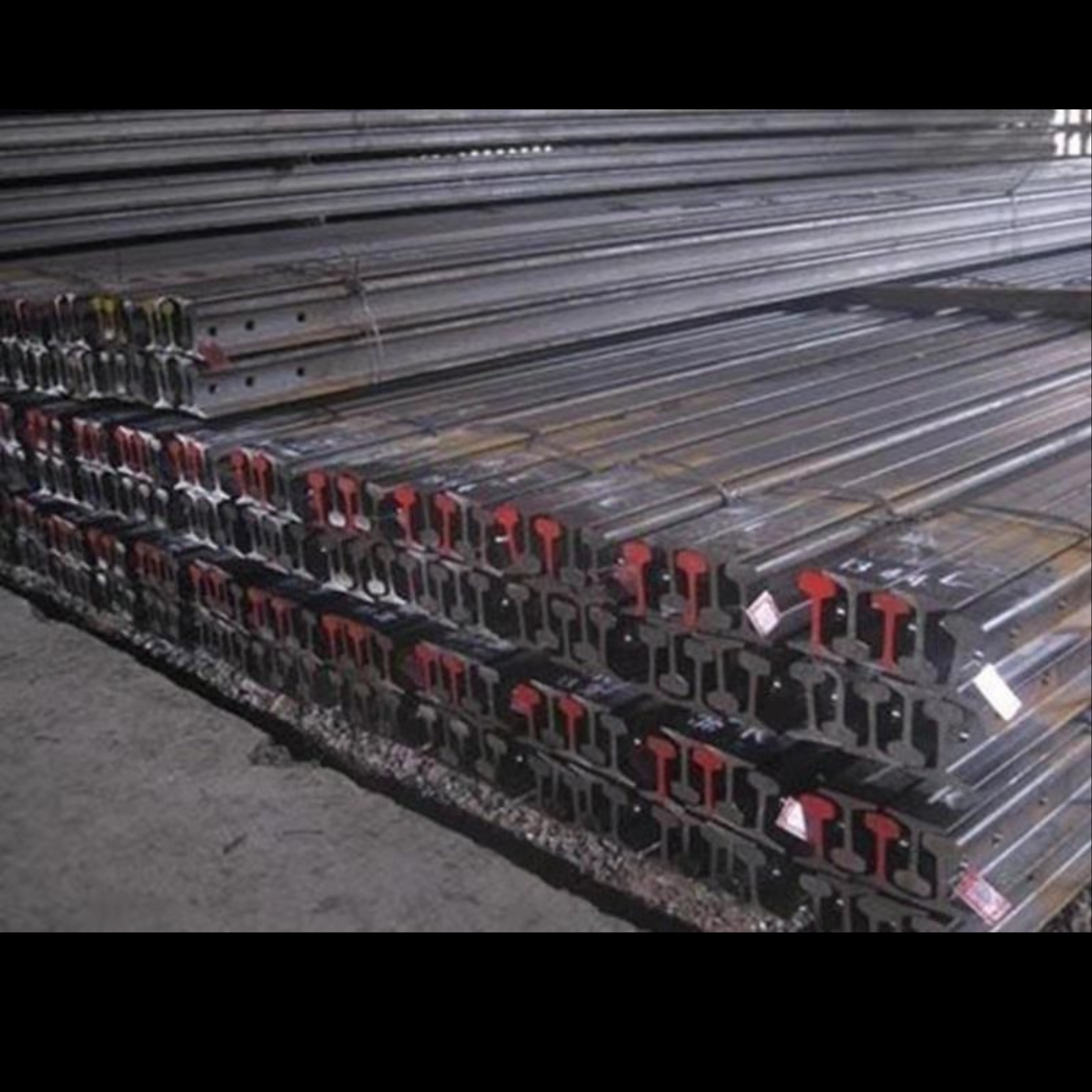

Rails
Rail is an important infrastructure used in railway systems, usually made of high carbon steel or alloy steel. It is the track foundation for train operation, supporting and guiding the operation of trains. Here are some basic introductions to rails:
- Material and structure:Rails are usually made of specially designed high-strength steel to cope with the weight and running speed of trains. It usually presents an I-shaped cross-section and has sufficient strength and elasticity to ensure safe and stable train operation.
- Use:Rails are the main operating basis for train operation. They bear the weight of trains and guide the direction of train travel. In addition to major railway transportation, rails are also widely used in subways, light rails and industrial transportation systems.
- Characteristics:The characteristics of rails include high strength, wear resistance, durability and stability. These characteristics enable rails to withstand repeated loads of trains and various weather conditions for a long time.
- Maintenance and renewal:Rails need regular inspection, maintenance and renewal to ensure their safety and operating efficiency. This includes work such as wear repair of rails, maintenance of bolts and roadbeds.
As an important component of the railway transportation system, rails are an indispensable part of the modern transportation network. They directly affect the safety and efficiency of train operation.
Copper-plated wire
Copper-plated wire is a common industrial material, which is a form of surface treatment of copper wire. Here are some basic introductions about copper-plated wire:
- Manufacturing process:The manufacture of copper-plated wire usually involves putting copper wire (usually bare copper wire) through an electroplating process. During the electroplating process, the copper wire is immersed in an electrolyte containing copper ions, and the copper layer is evenly deposited on the surface of the copper wire through an electric current.
- Use:The main purpose of copper-plated wire is to improve the conductivity and corrosion resistance of the copper wire. After the copper layer is plated, it not only improves the conductivity of the copper wire, but also enhances its oxidation resistance and durability, and prolongs its service life.
- Product application:Copper-plated wire is widely used in products such as cables, wires, connectors and wires in the fields of electronics, electrical, communications, and automobiles. For example, communication cables in the cable industry, computer network cables, and connecting wires in automotive electronic systems often use copper-plated wires.
- Characteristics:The characteristics of copper-plated wire include excellent conductivity, corrosion resistance, good contact performance and mechanical strength. Its smooth surface and uniform copper layer can improve the efficiency and stability of current transmission.
As a surface treatment technology to improve the performance of copper wire, copper-plated wire plays an important role in modern industrial production and promotes the efficient operation of various electronic and electrical equipment.
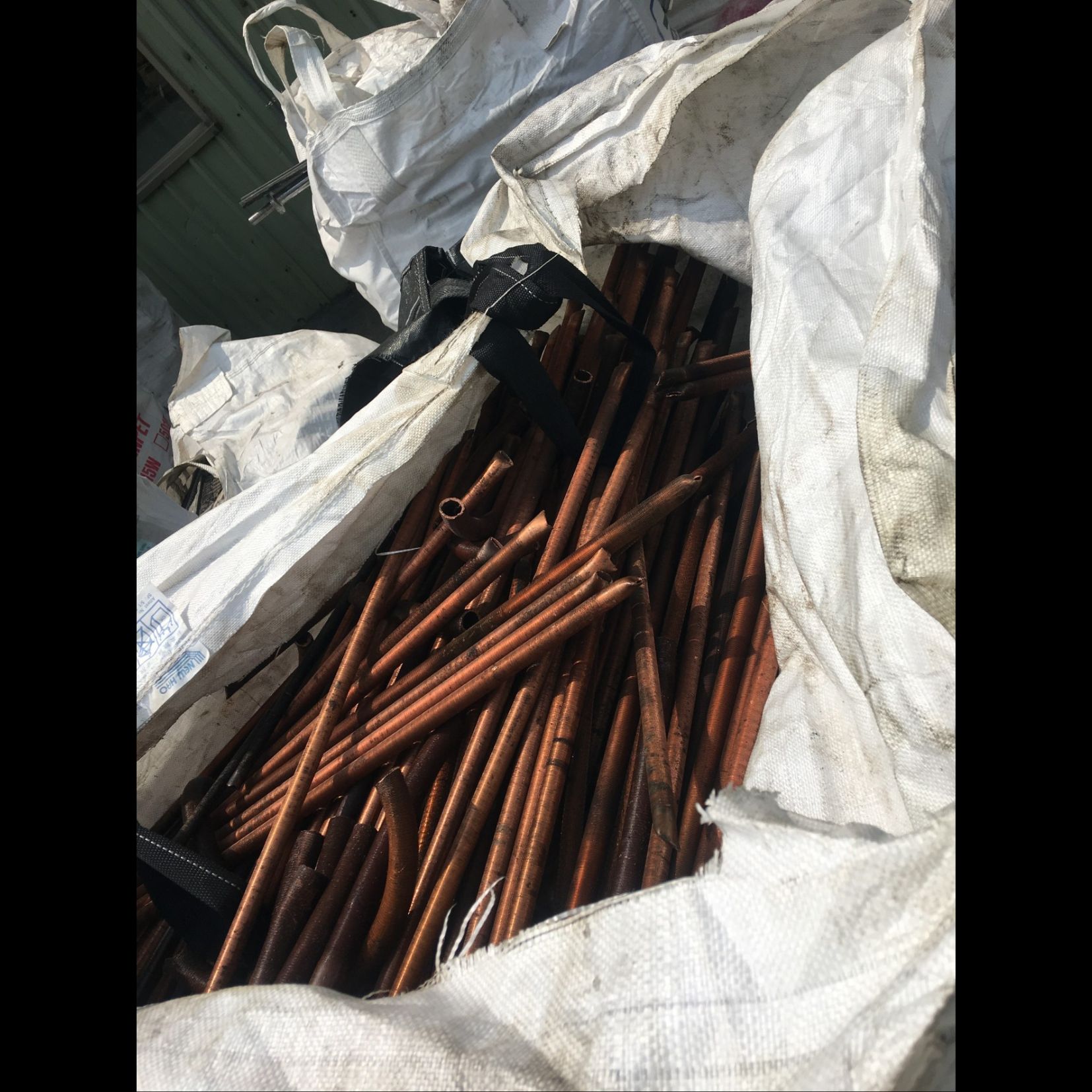

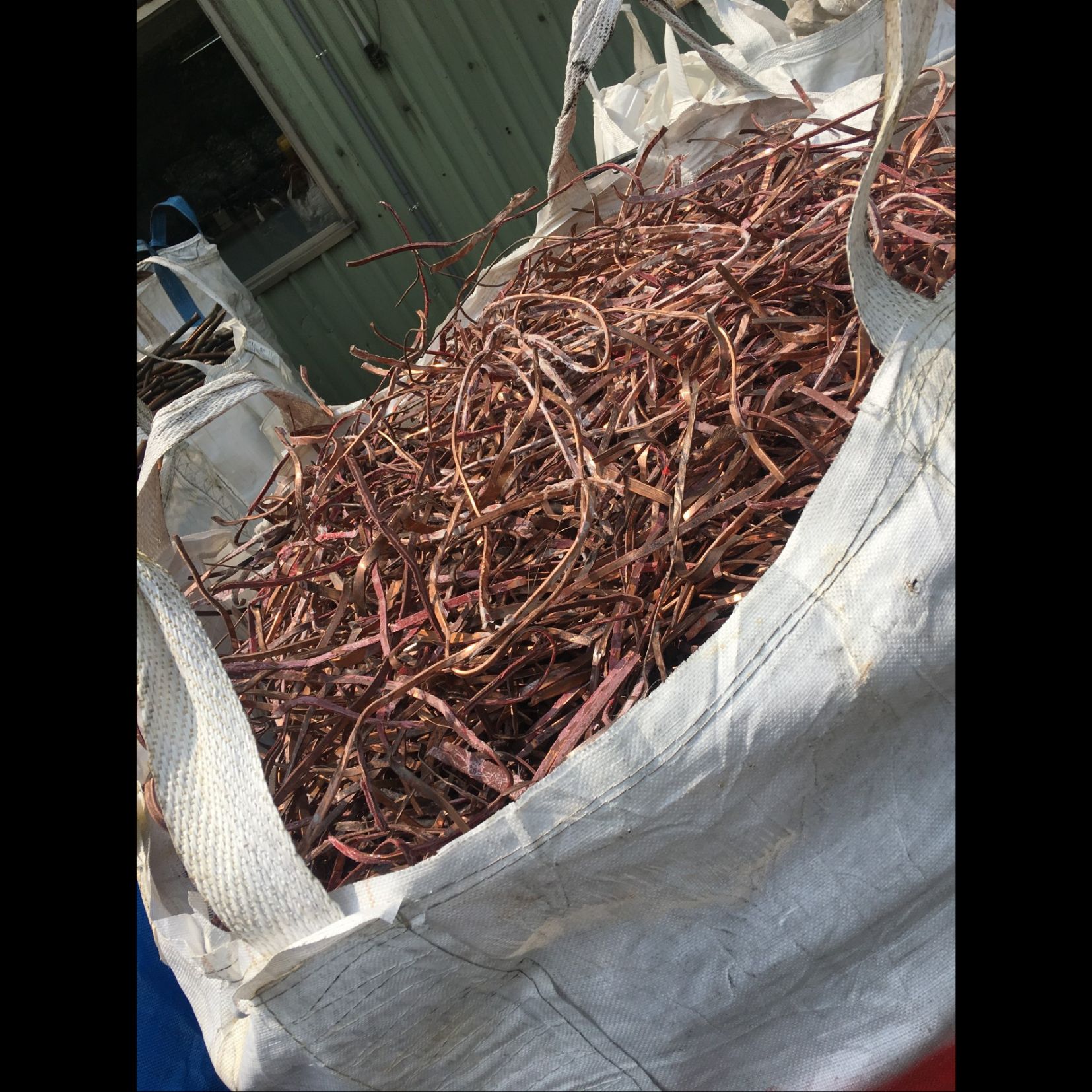


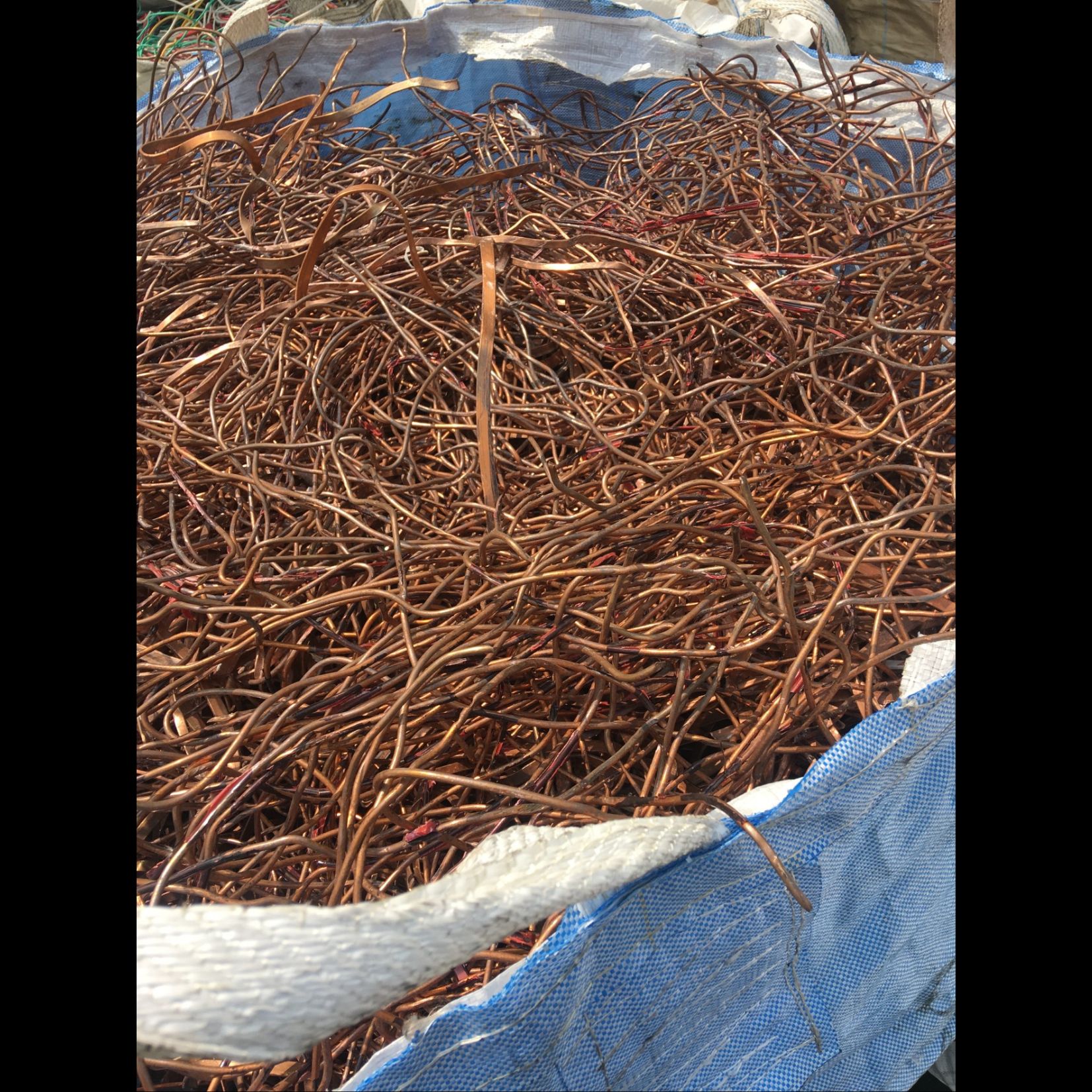

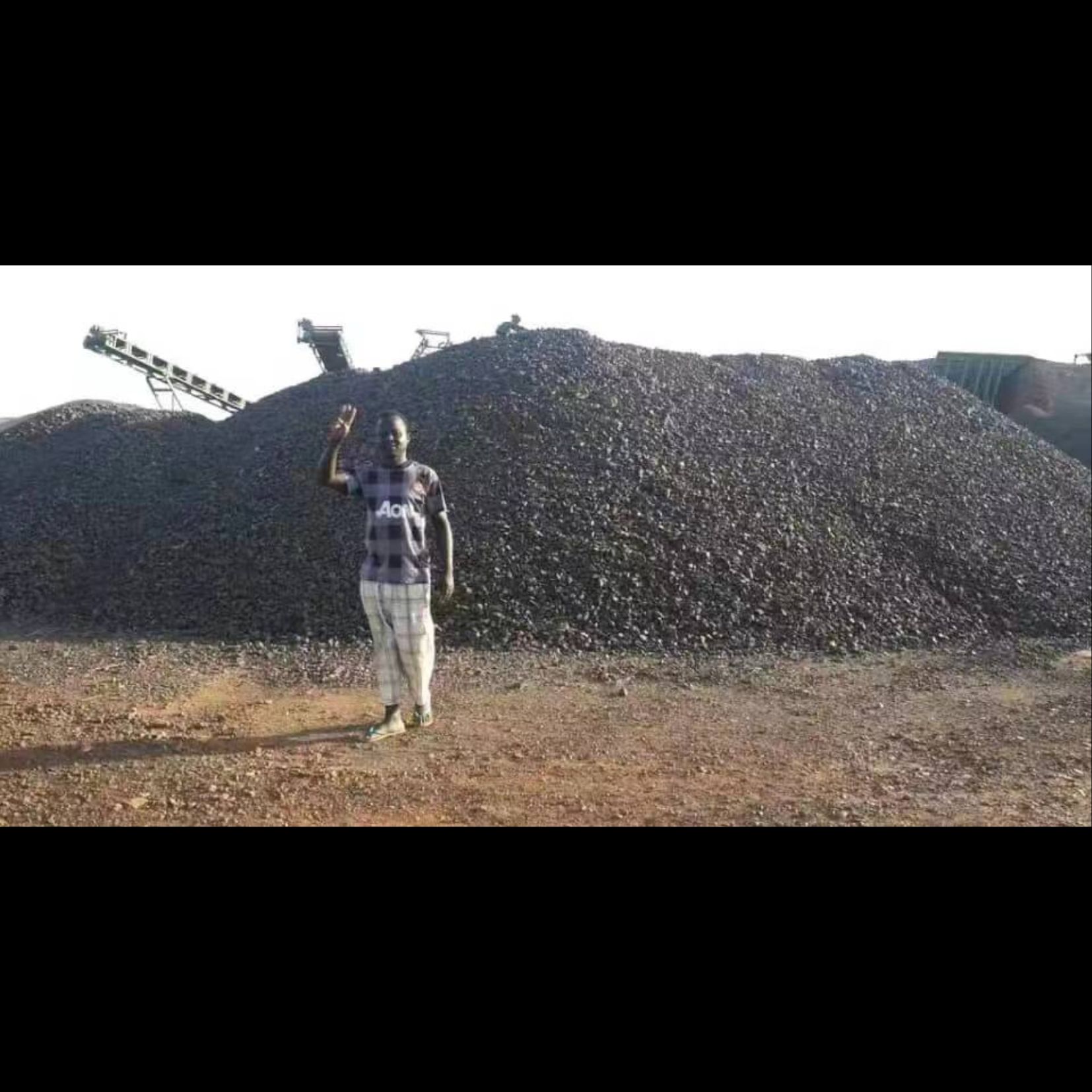
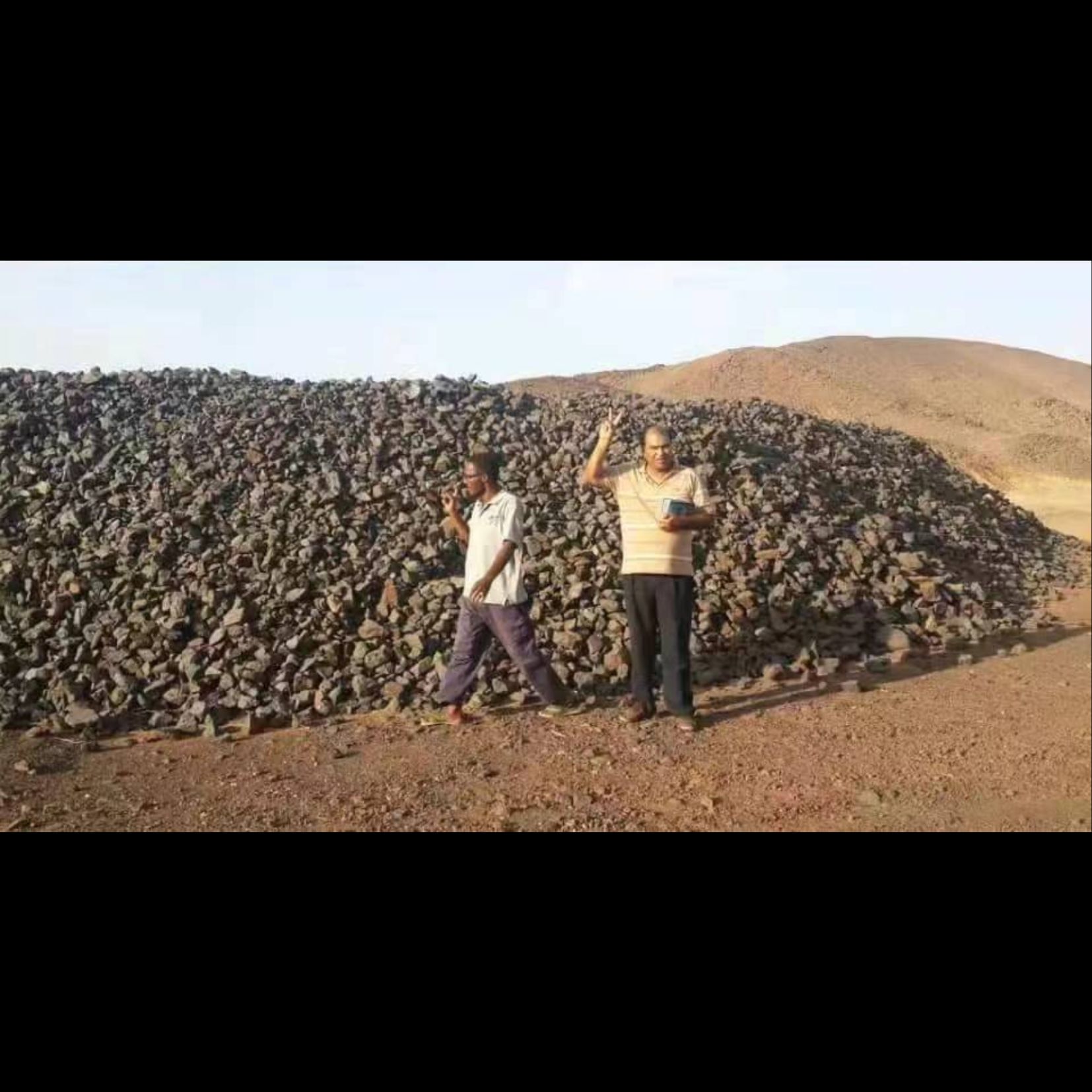
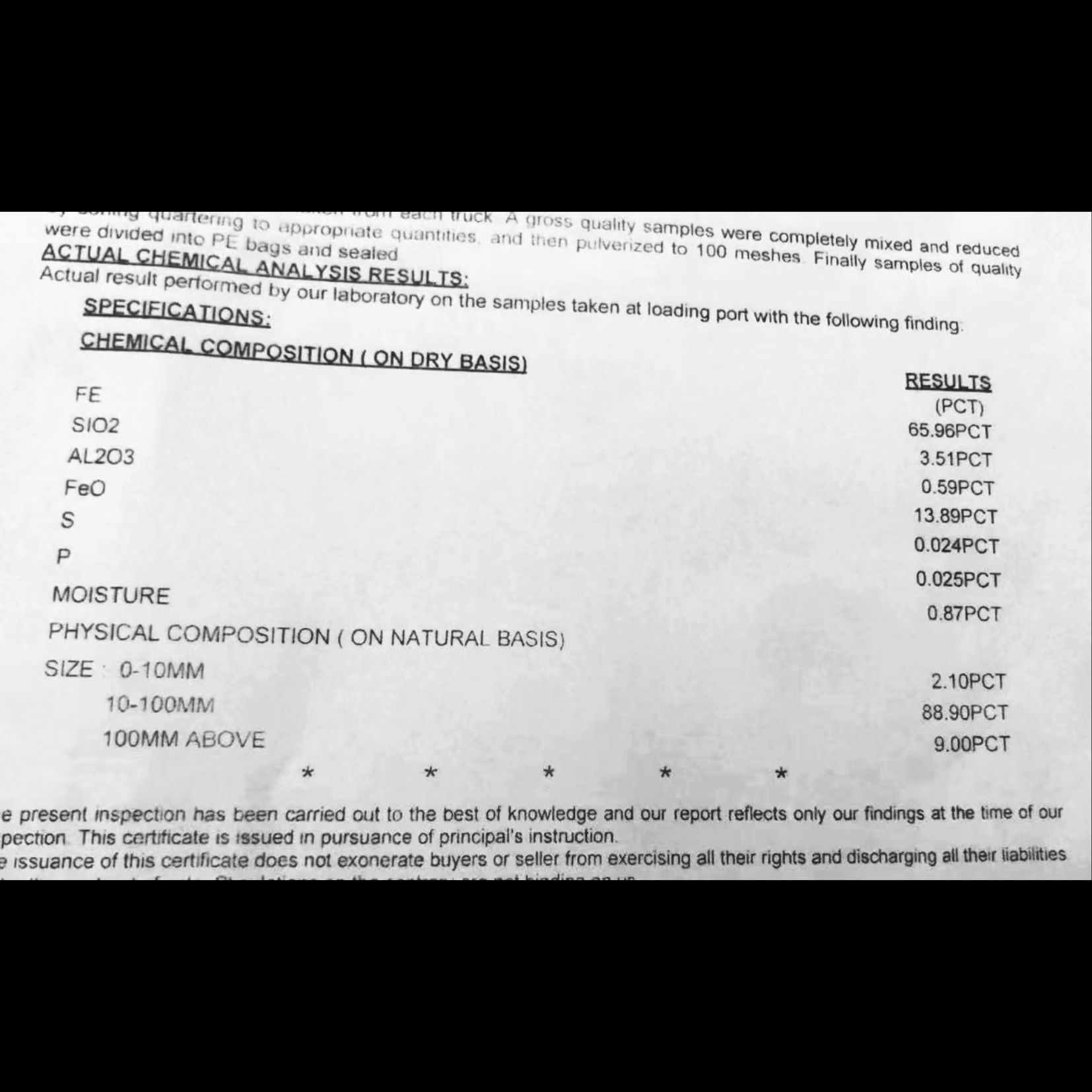
Sudanese Iron Ore Sand (Iron Content 65.9%)
Located in northeastern Africa, Sudan is rich in mineral resources, among which iron ore is one of its important natural resources. Sudan's iron ore is mostly mined by open-pit mining and processed accordingly, such as crushing, grinding and magnetic separation, to improve the purity and utilization rate of the ore.
Iron ore is a natural ore mainly composed of iron oxides. It is one of the important raw materials for making iron and steel and is usually used in the metallurgical industry. Here are some basic introductions to iron ore:
- Composition and formation:The main components of iron ore are iron oxides, the most common of which are hematite (Fe2O3) and magnetite (Fe3O4). These minerals are formed in geological processes and usually exist in the form of beds or veins in the strata.
- Use:Iron ore is mainly used in the metallurgical industry and is one of the main raw materials for making iron and steel. Through the smelting process, the iron oxides in iron ore are reduced to pure metallic iron, which is used to make various steels and other metal products.
Iron ore is a key natural resource that is vital to the development of the global steel industry. Its mining, processing and use play an indispensable role in maintaining the stability and development of industrial production.
Sulfur in Kazakhstan
Kazakhstan has rich sulfur resources, mainly distributed in Lake Nausasusul and Alan in the southwest, and Lake Saranchik and Saran River Basin in the southeast.
- High-quality sulfur ore:Kazakhstan's sulfur ore is usually of high quality and high sulfur content. High-quality sulfur can improve the efficiency of subsequent processing and the quality of products.
- Mining method and technical level:Kazakhstan's sulfur is usually mined by open-pit mining, and has advanced mining and processing technologies. These technologies ensure the efficient mining and subsequent processing of ore.
Kazakhstan has rich sulfur resources, high-quality ores and advanced mining technology, and occupies an important position in the global sulfur market.
Kazakhstan has rich sulfur resources, high-quality ores and advanced mining technology, and occupies an important position in the global sulfur market.

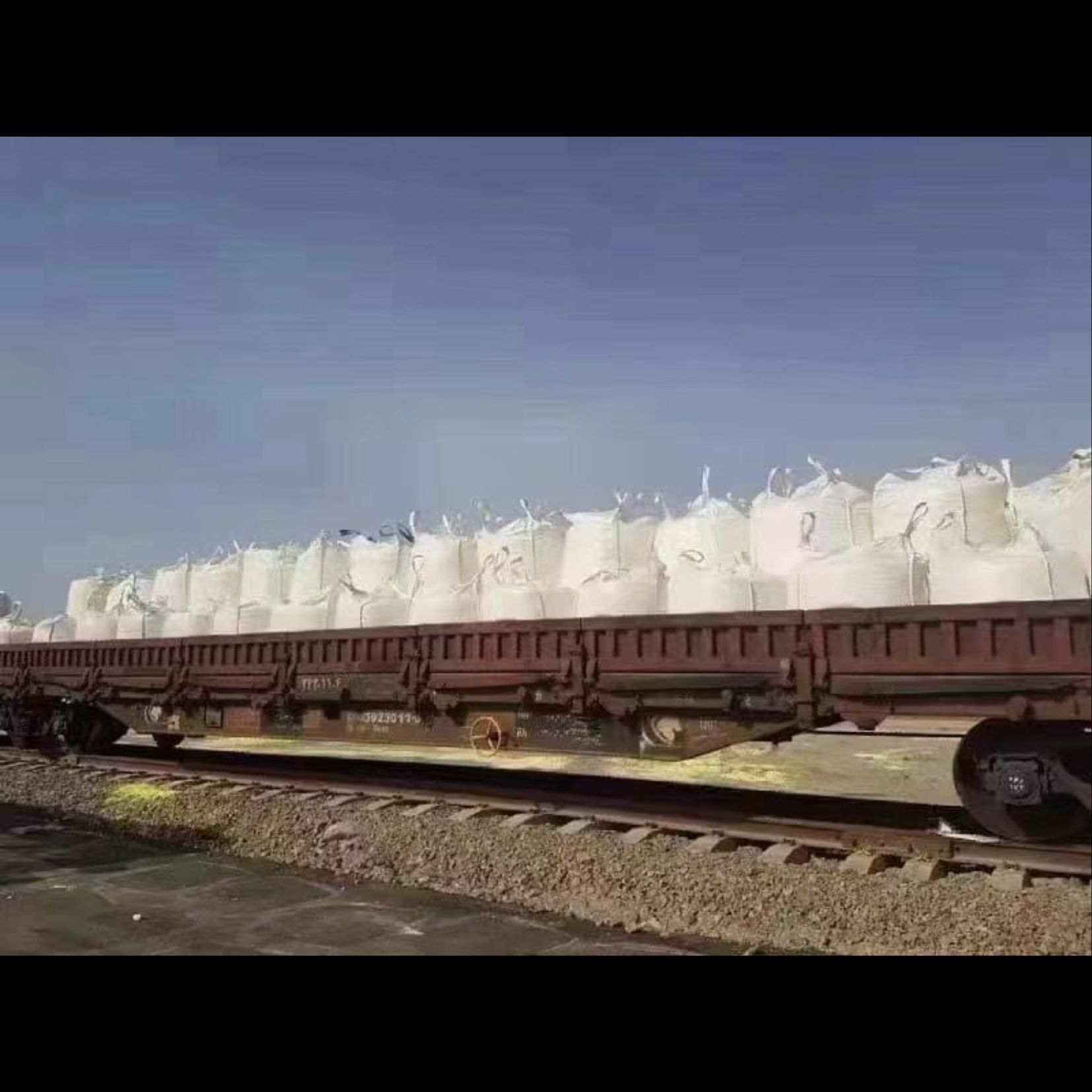


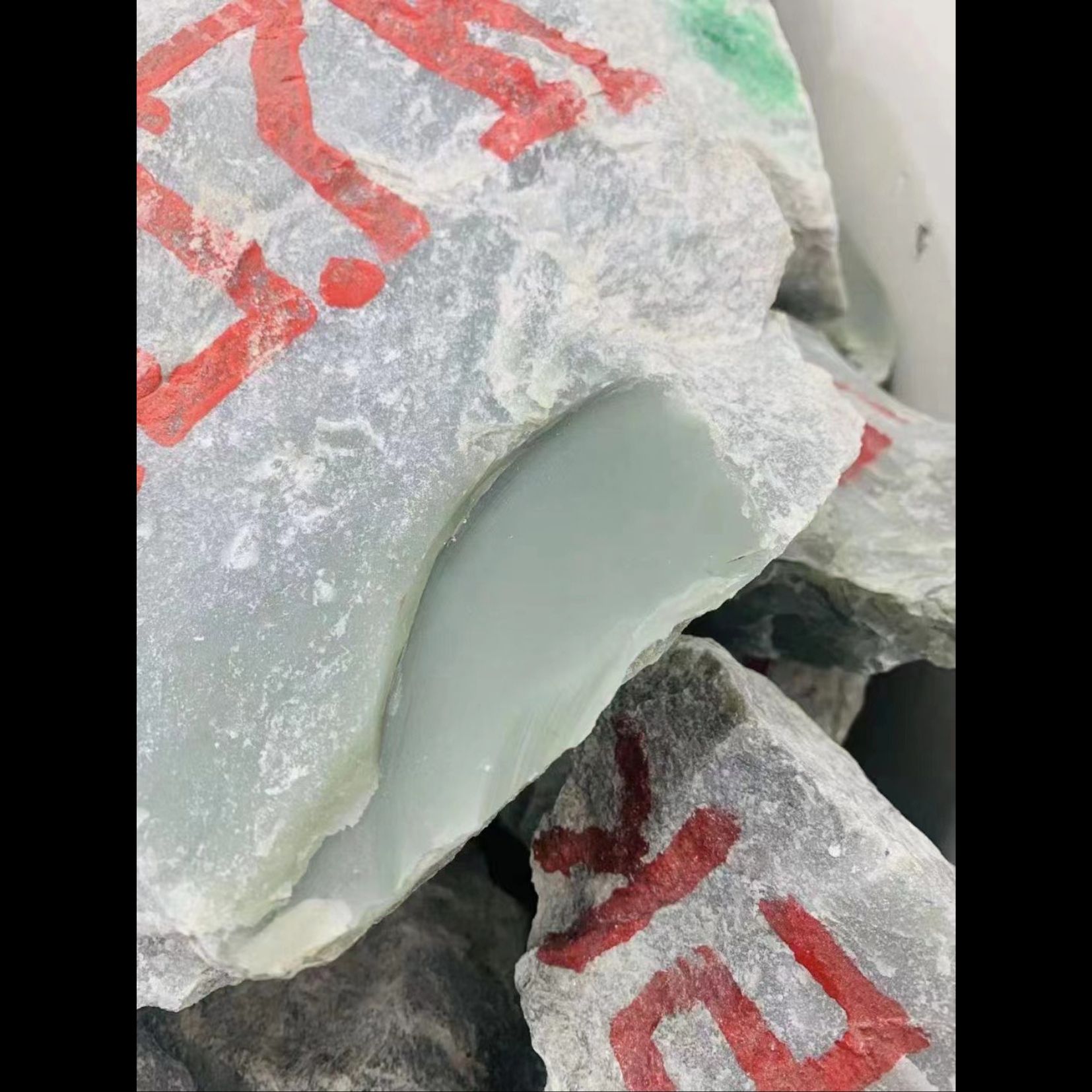
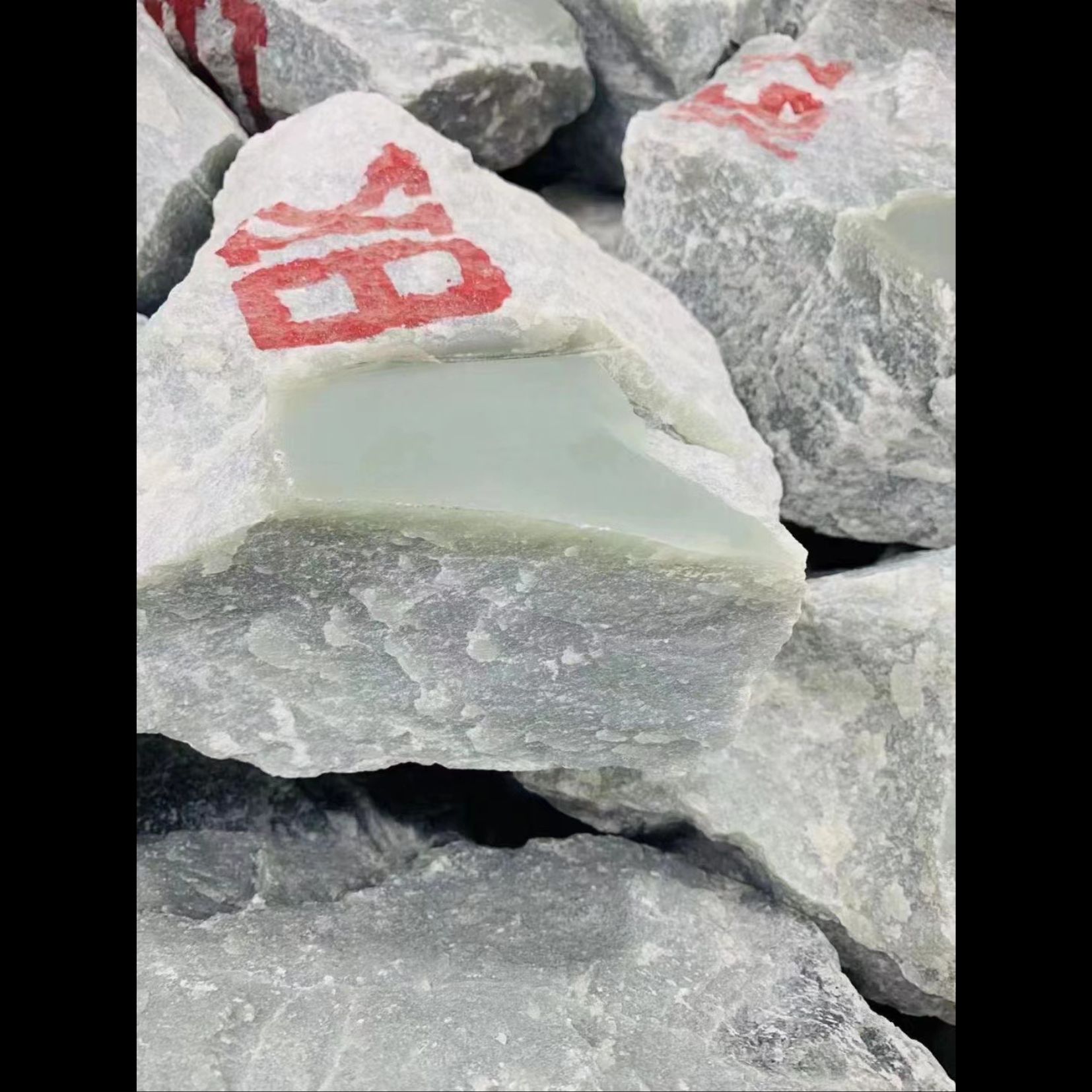

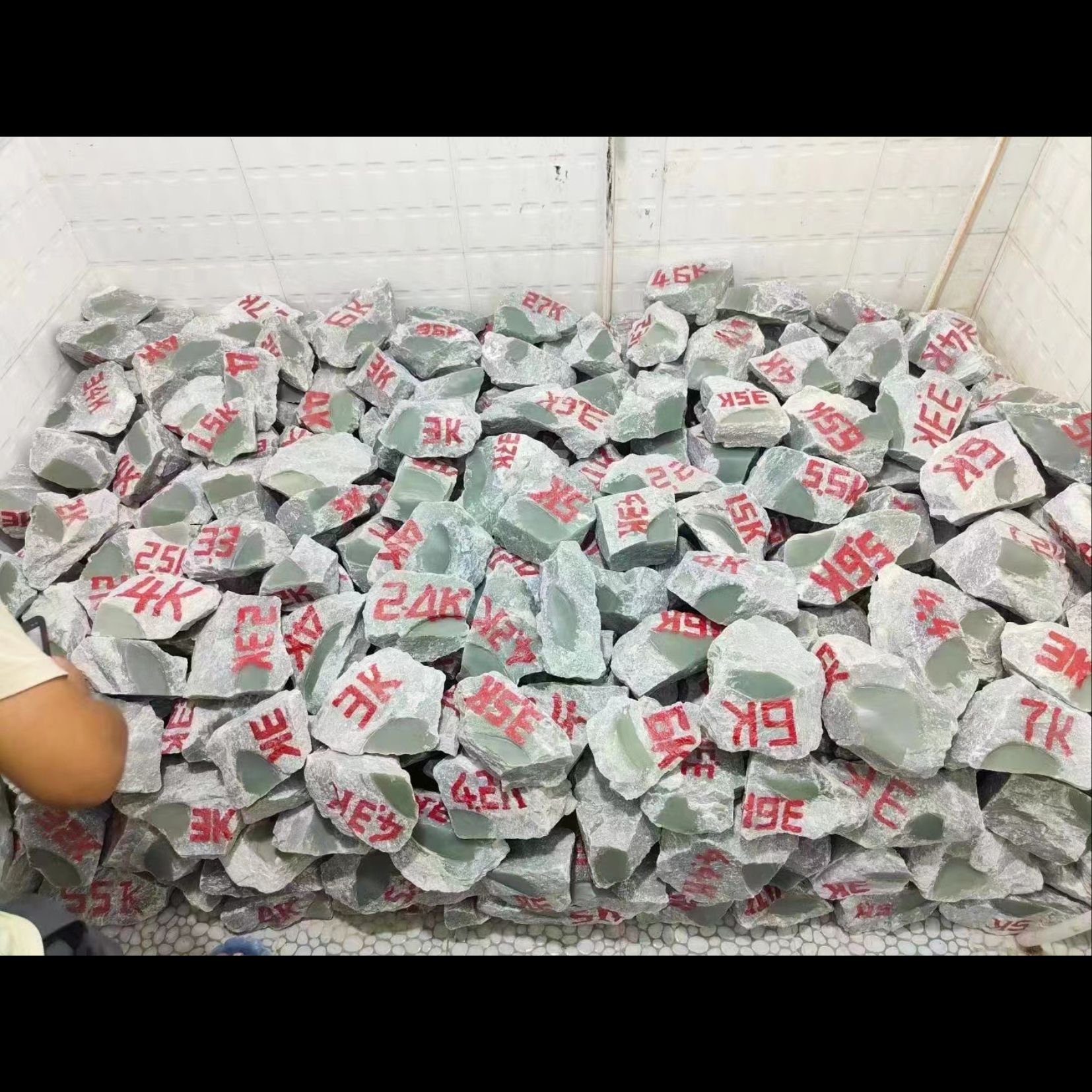
Xinjiang Hetian Jade
Hetian jade is a very precious jade stone, which comes from the Hetian area of Xinjiang, China. It is one of the four famous traditional jades in China. Hetian jade is famous for its warm texture, elegant color and unique cultural connotation.
Hetian jade is usually divided into two types: nephrite and jadeite. Nephrite mainly refers to nephrite ore, which has a fine texture and is mostly used to carve various artworks; jadeite refers to jadeite ore, which has high hardness and is more commonly used to make jade articles.
Hetian jade has a long history in China and was discovered as early as the Neolithic Age. It has an important position in Chinese culture and is known as the "king of jade". It is not only used to make various artworks and crafts, but also regarded as a mascot and amulet by the people.
Xinjiang spodumene (lapis lazuli) mineral content 6%
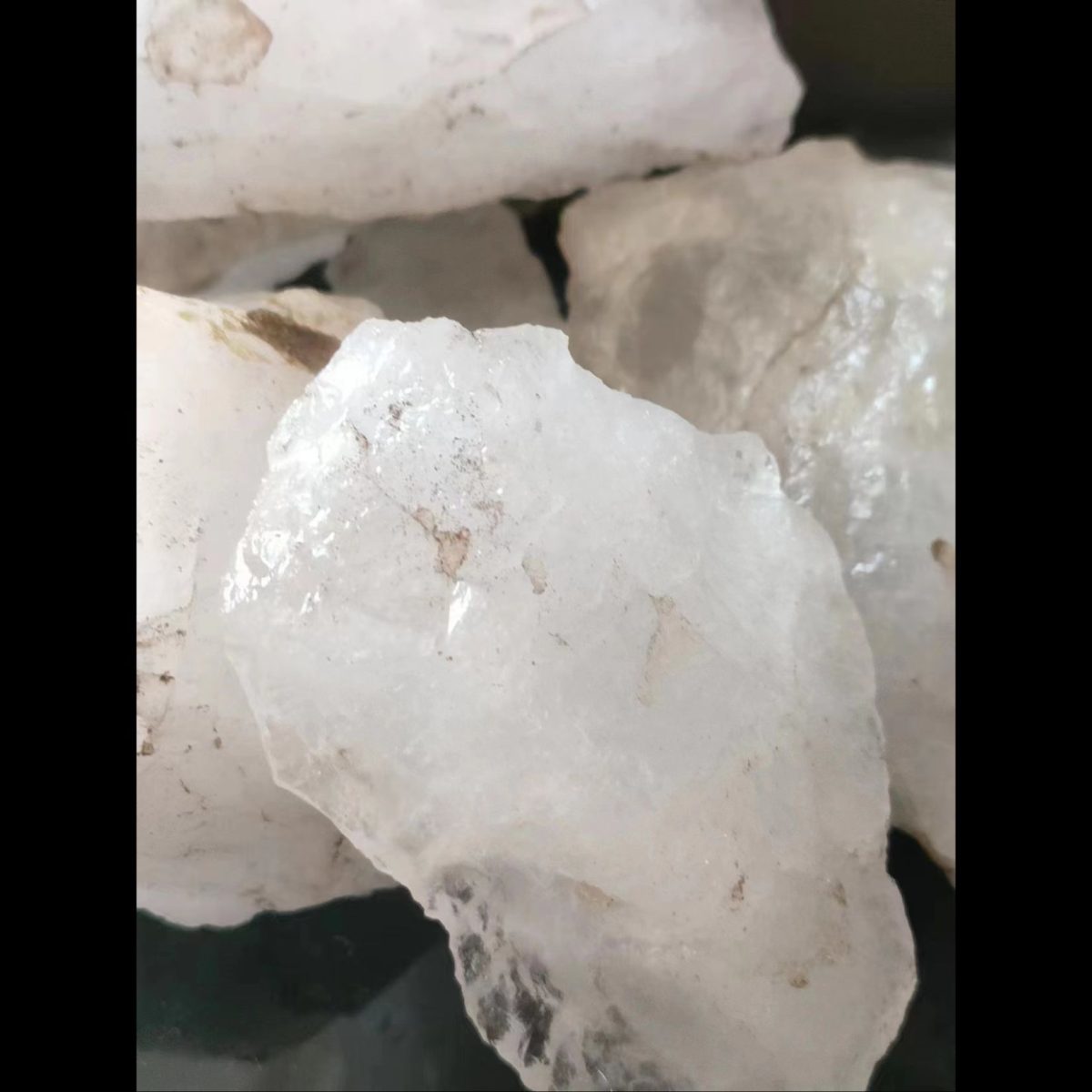
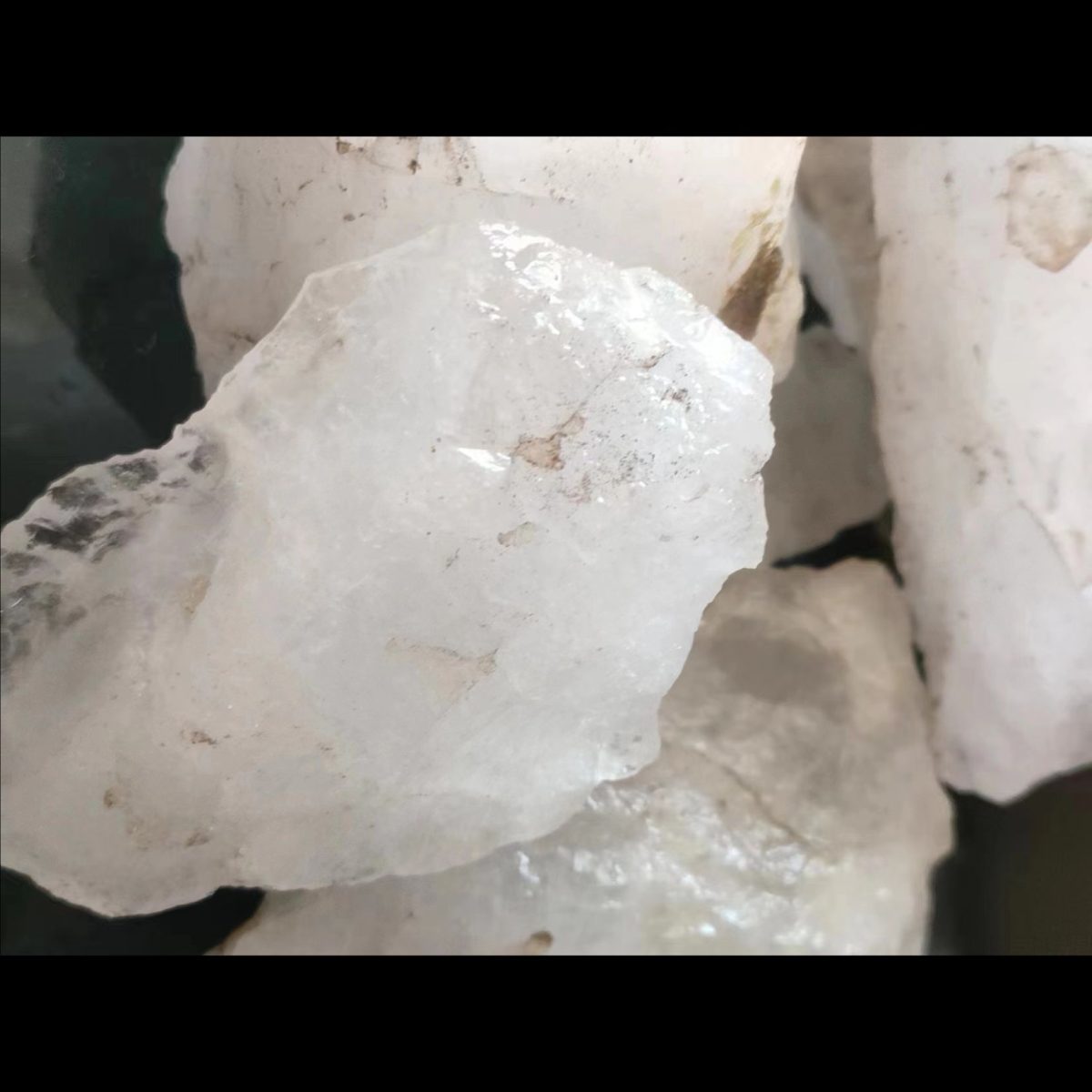
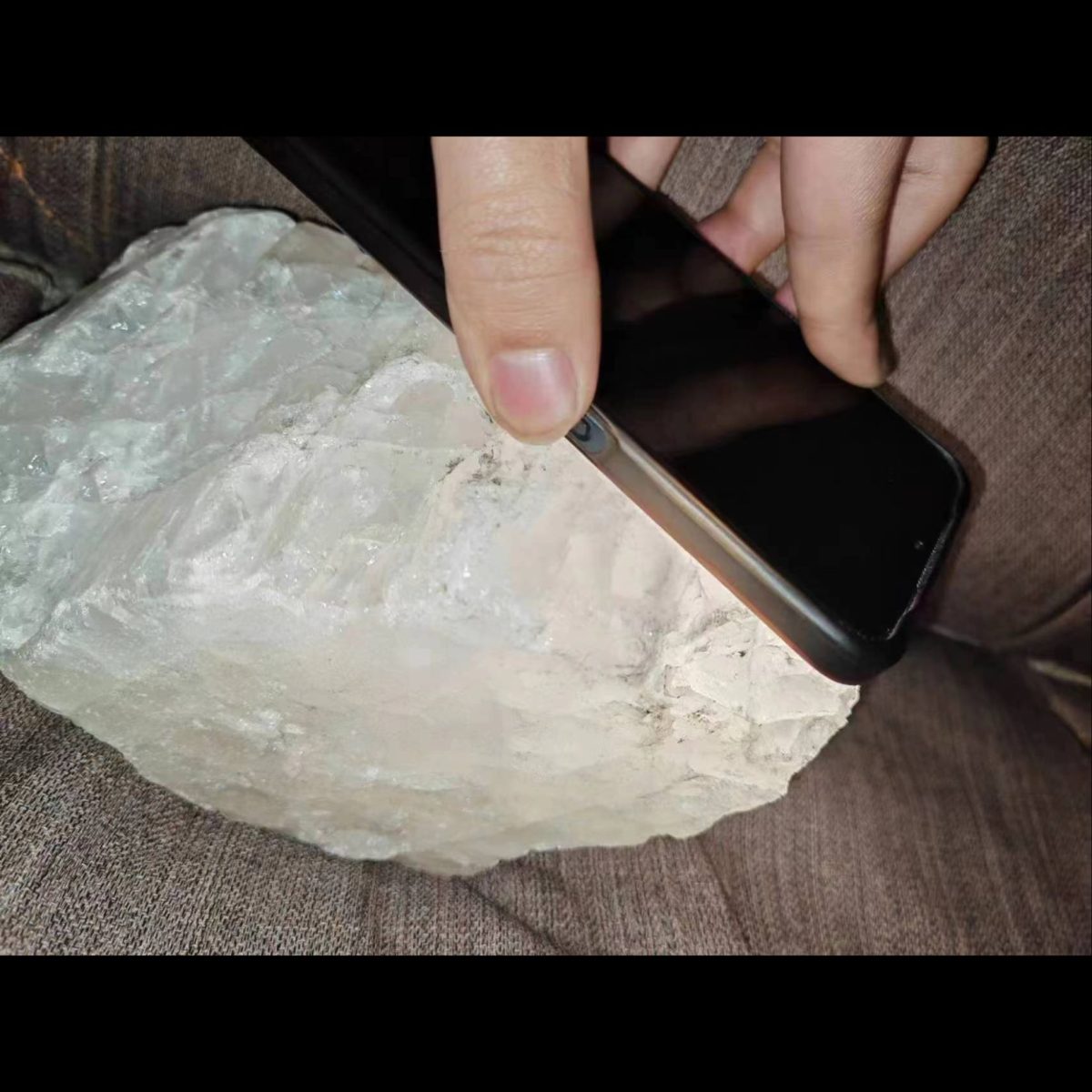
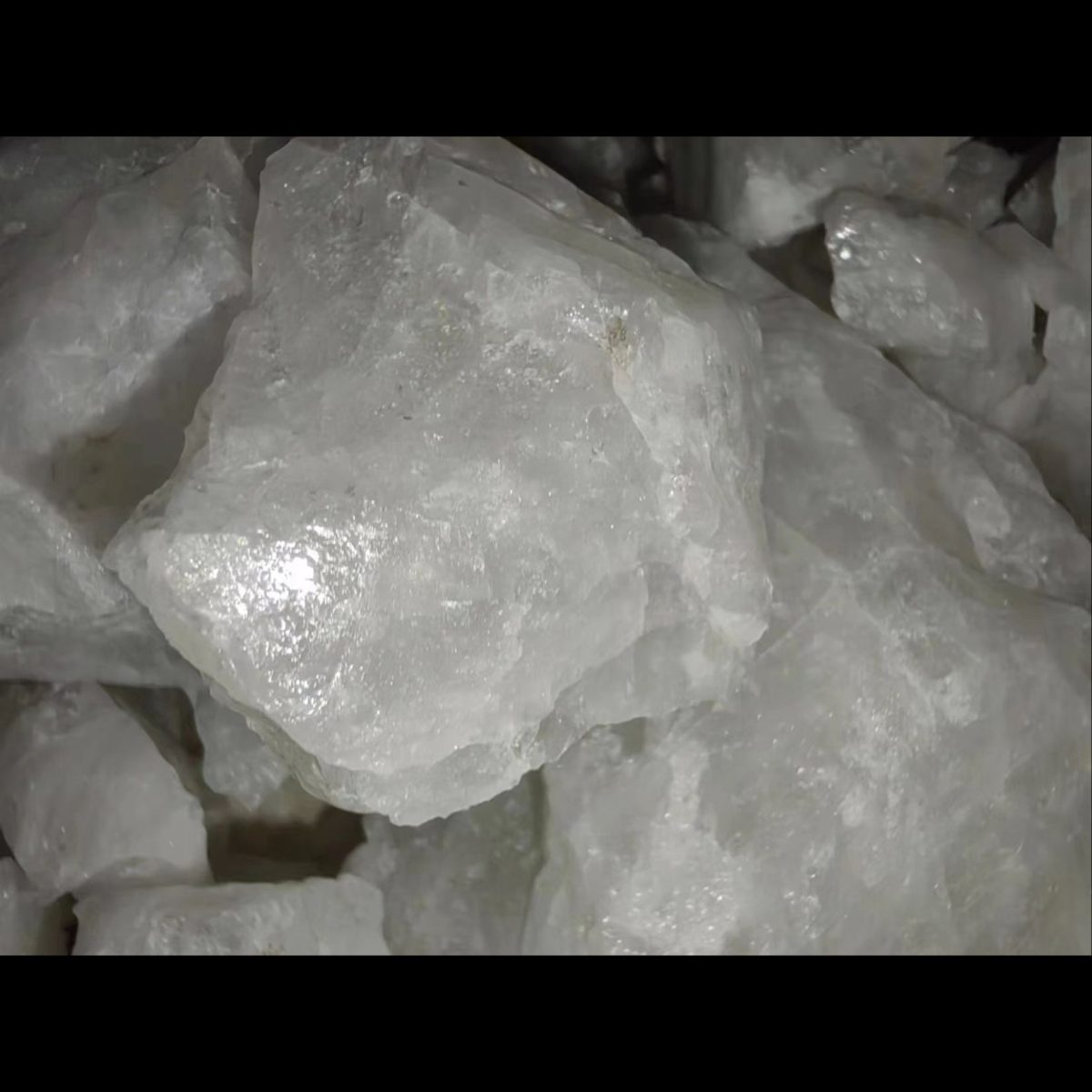
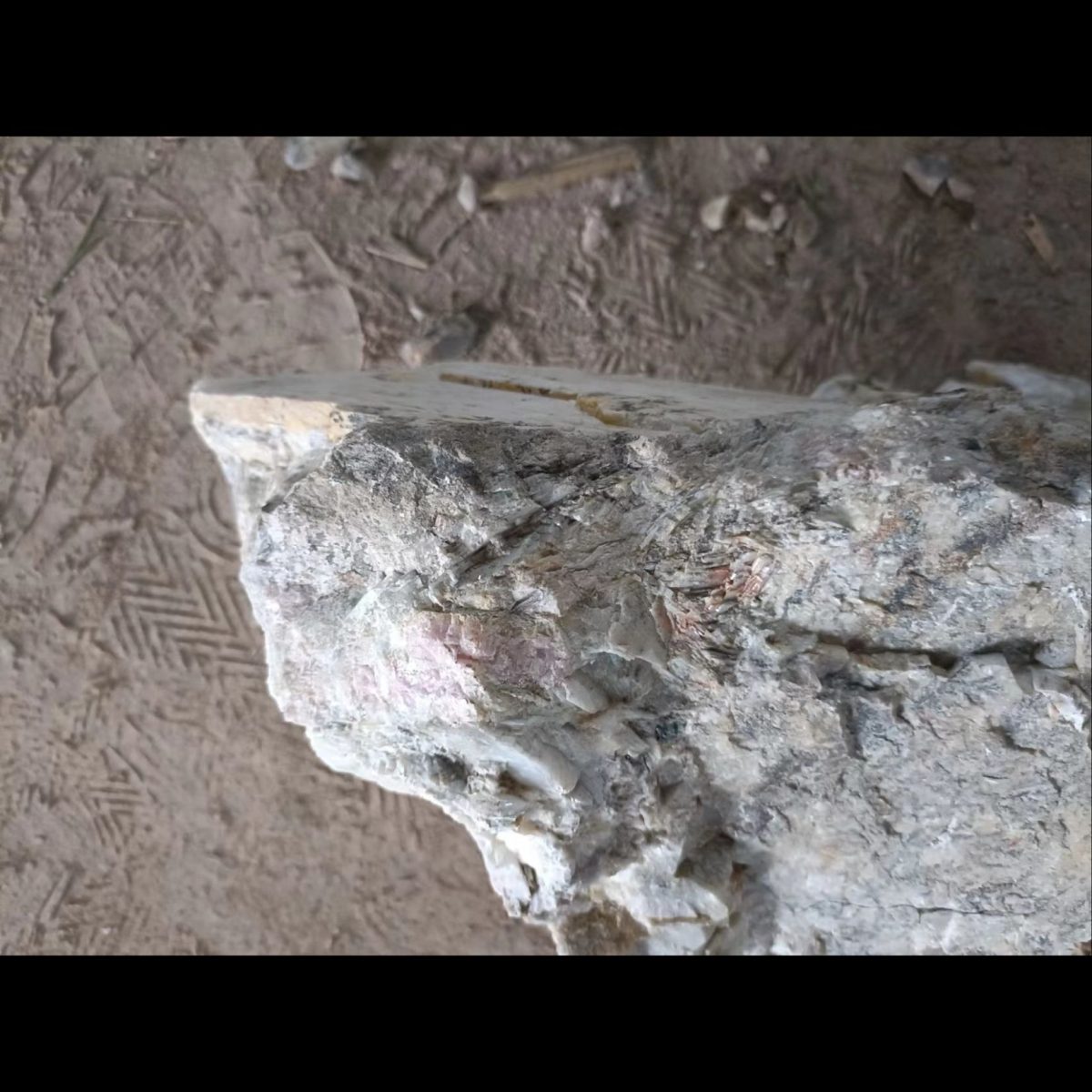
Spodumene from Xinjiang. Xinjiang is famous for its rich mineral resources, including spodumene.
Spodumene from Xinjiang usually has a dark blue to sky blue color, sometimes with white albite or golden spots, making them precious gemstones and decorative materials.
The production of spodumene in Xinjiang is mainly concentrated in its southern region, especially in Hotan. Hotan is not only famous for Hetian jade, but also for the mining of spodumene. These mineral resources are of great significance to the local economy and handicraft production.
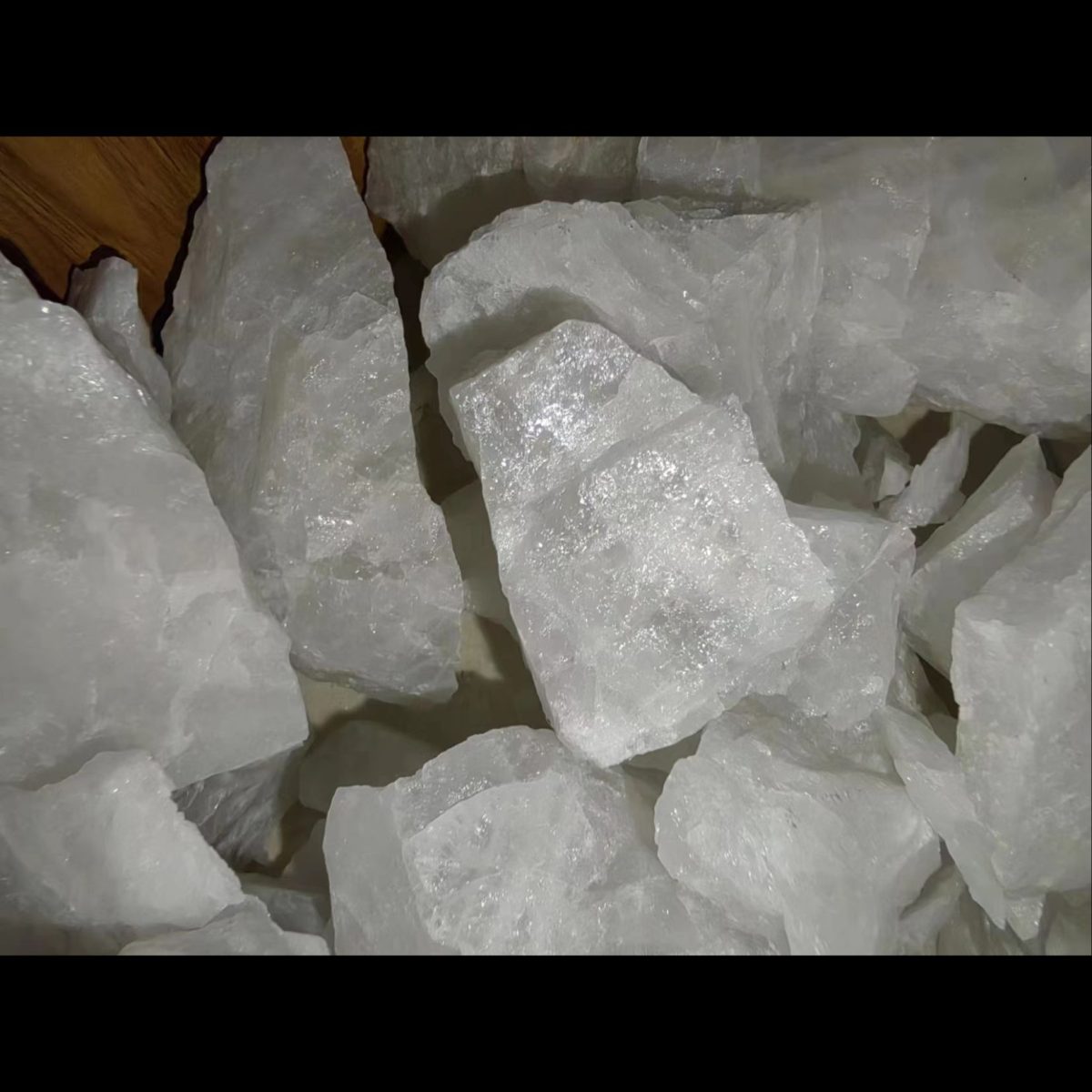









Kazakh agate
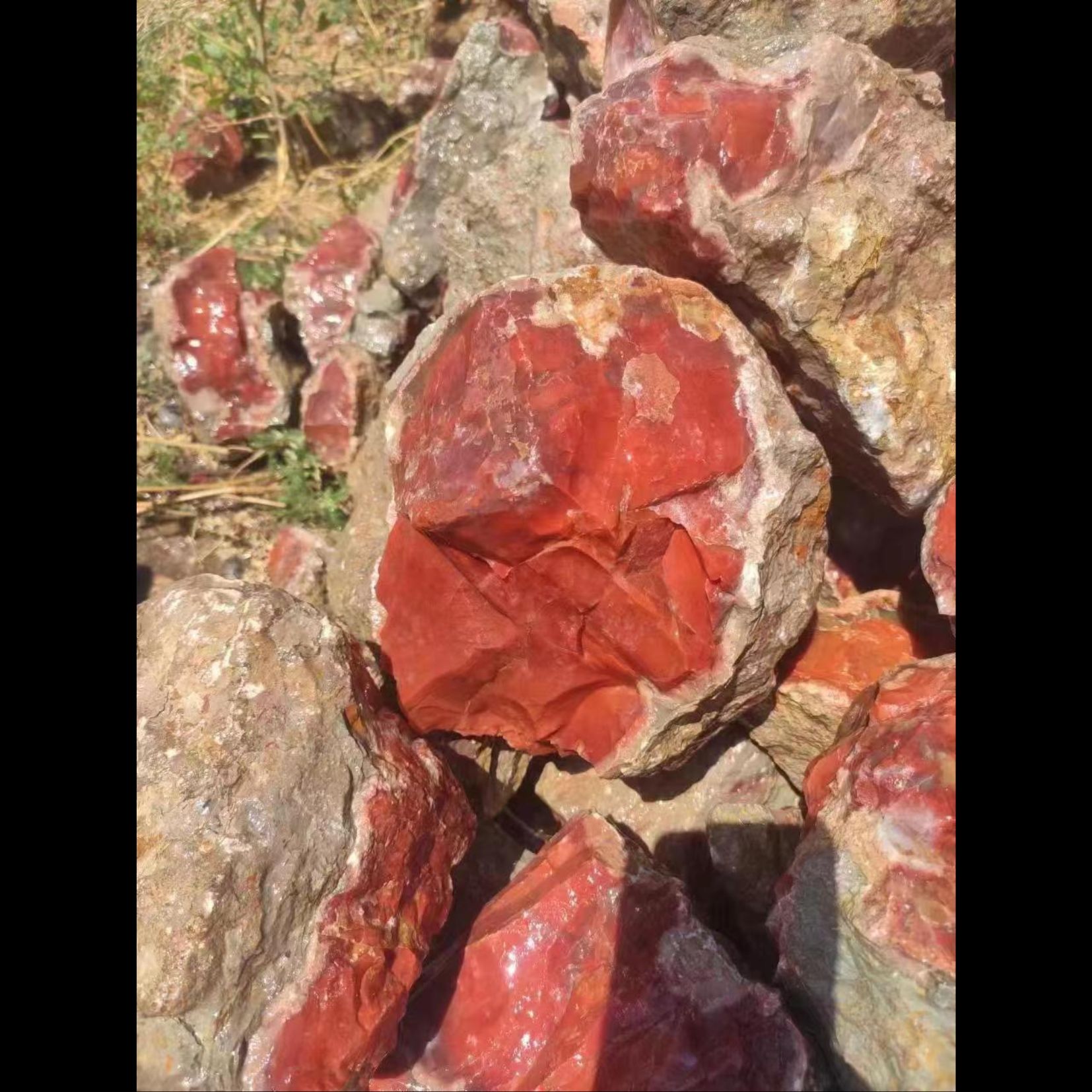
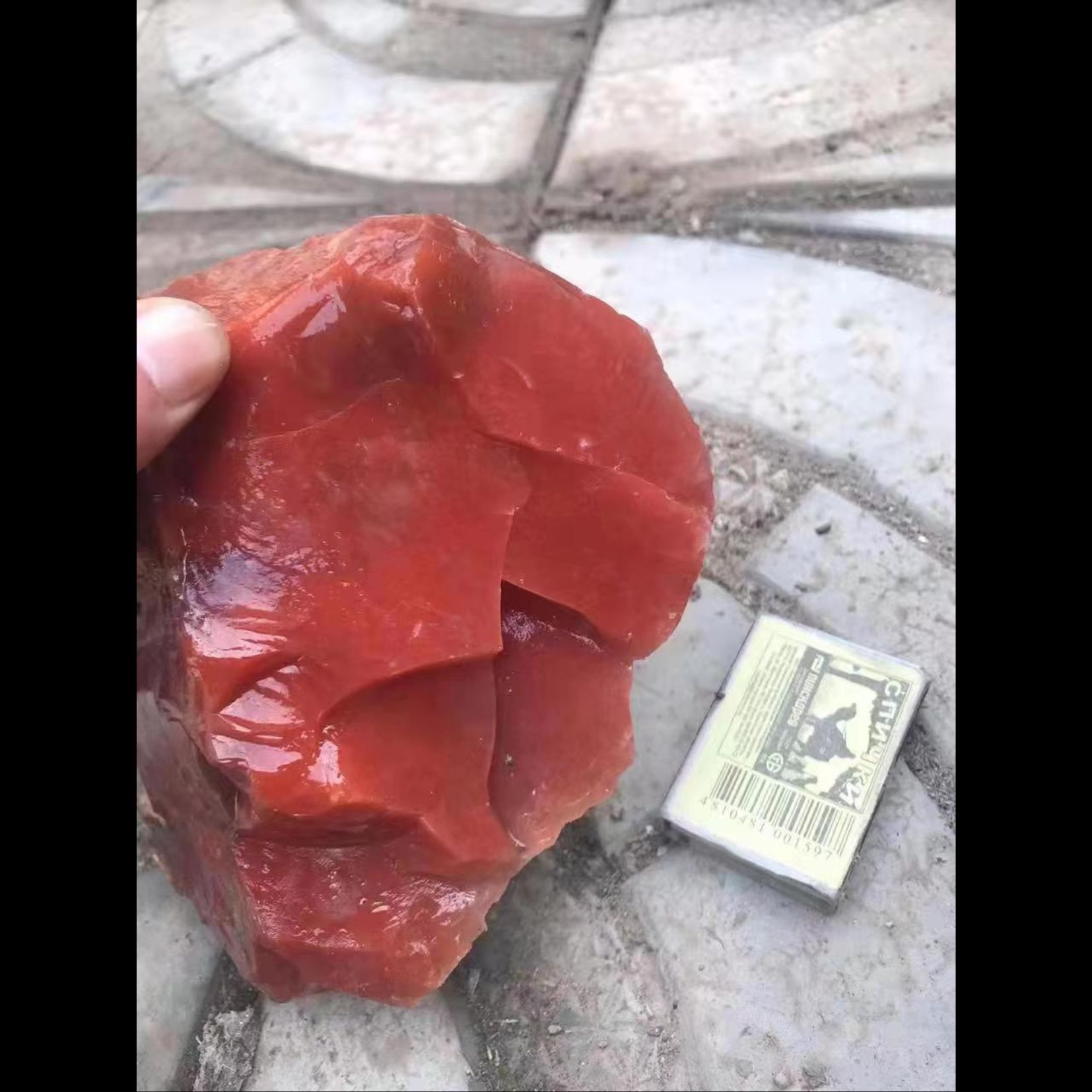
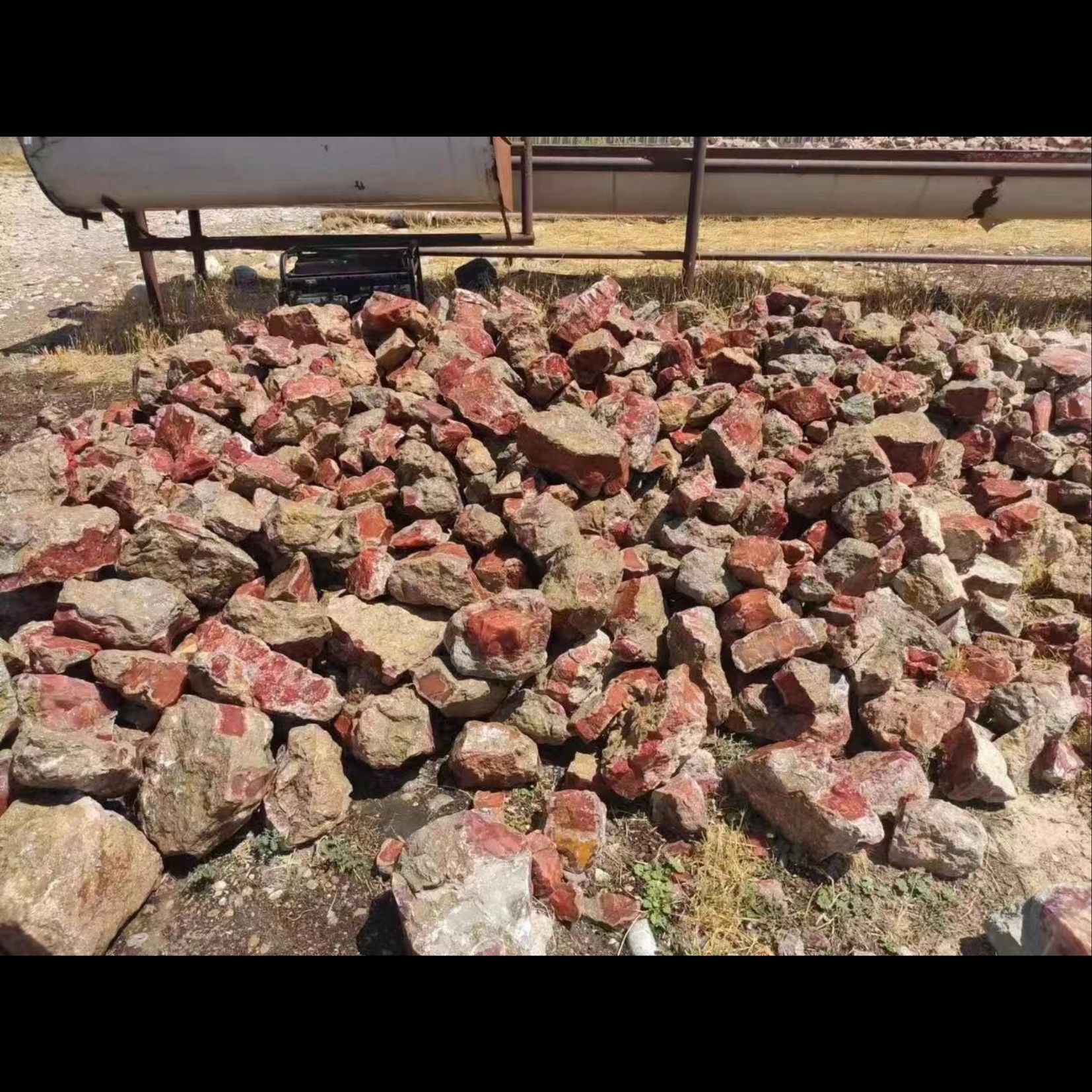
Kazakh agate refers to agate stone produced in Kazakhstan. Kazakhstan's geological conditions make the country rich in mineral resources, including many types of agate.
Kazakh agates usually have rich colors and unique textures. These agates can be monochrome or multi-colored, with stripes, spots or iridescent effects, and have high decorative and artistic value.
Agate is not only a mineral resource, but also one of the important raw materials for handicrafts. These agates create a variety of jewelry, accessories and crafts, showing their unique aesthetics and characteristics.
Kazakh agate is favored by domestic and foreign markets for its color diversity and excellent texture, and has become a highly valued gemstone and decorative material.
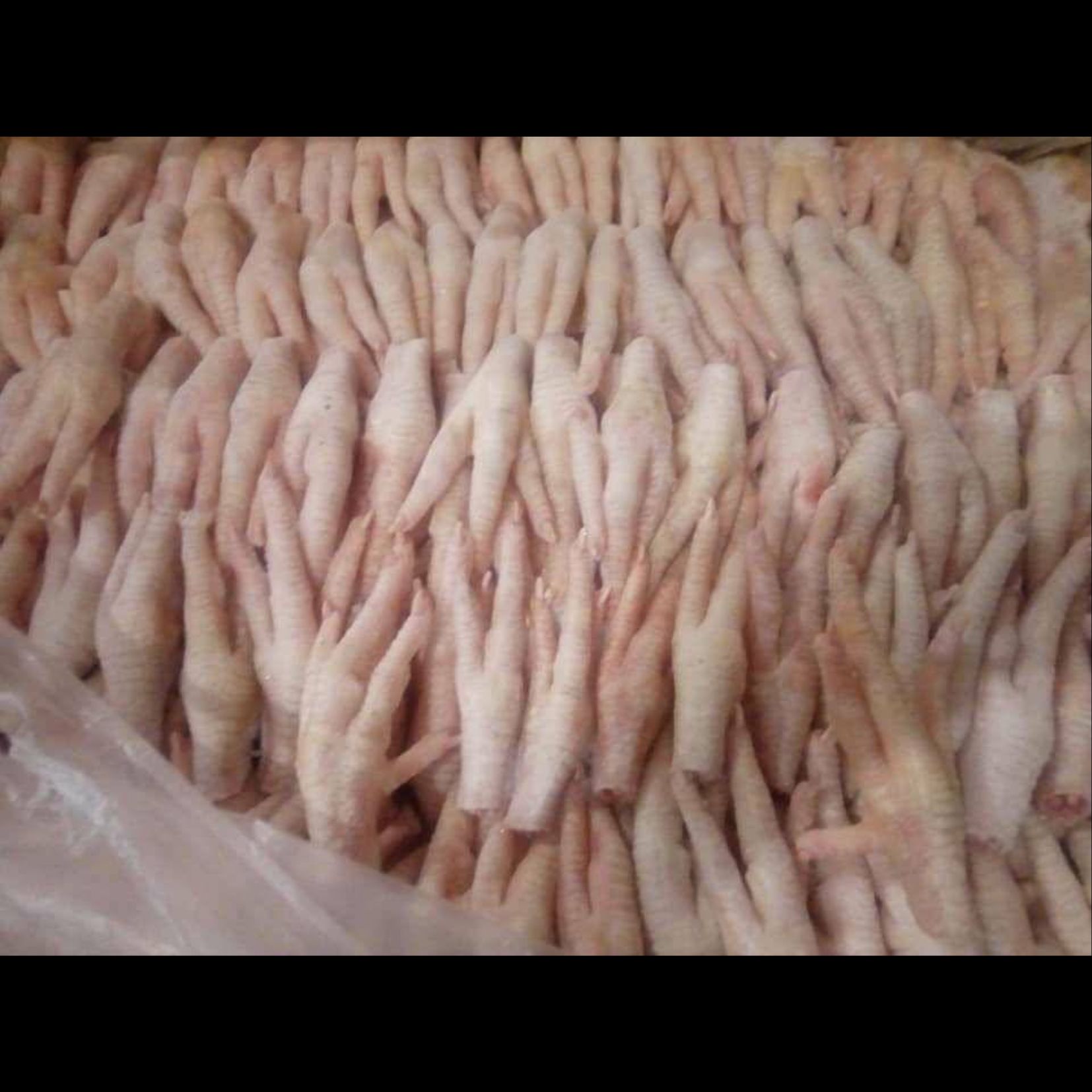
Chicken feet
Chicken feet are regarded as part of the cuisine in many Asian countries and regions, especially in China, Hong Kong, Taiwan, etc., and are popular for their unique taste and high collagen content.
- Main sources of export:The main chicken feet exporting countries include the United States, Brazil, the Netherlands, Thailand, etc. These countries usually have large-scale poultry farming and processing capabilities, and can provide a large number of chicken feet for export to the Asian market.
- Main destinations for imports:Asian regions such as mainland China, Hong Kong, and Taiwan are the main markets for global chicken feet imports. These regions have large consumption and a steady demand for chicken feet, which attracts chicken feet exports from all over the world.
- Trade scale and trend:The chicken feet trade has maintained steady growth in recent years. Especially in the Chinese market, chicken feet are widely used in food processing and catering industries, and have become an important part of agricultural product exports in many exporting countries.
- Sanitary standards and regulations:Due to the importance of food safety and hygiene issues, the chicken feet trade is often strictly regulated by food safety regulations and standards of importing and exporting countries. Exporting countries need to ensure that their exported chicken feet meet the import standards of the destination country, such as sanitary quarantine, inspection standards, etc.
- Market demand and price fluctuations:The market demand for chicken feet trade is affected by food consumption trends, economic conditions and trade policies. Fluctuations between supply and demand will affect the price of chicken feet and global trade volume.
Chicken feet trade has a place in the global food trade. Its unique consumer market and wide application make this product an important part of global trade.